
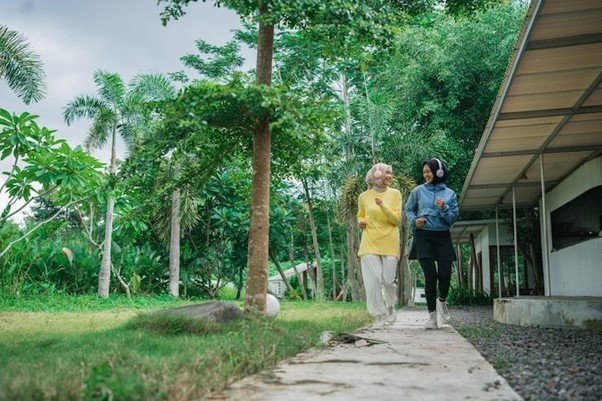
As people get older, they may find their social network makes life more pleasurable. Almost any invented, casual, or normal daily meeting can provide a focus for the day. For the elderly, social interaction can also be more convenient to establish friendships as well as keep a busy lifestyle. That’s why residents want to move to senior living communities who value independence and social interaction.
A senior living community is more than just a place to live. Provides time for residents to meet, share interests and build relationships. These relationships are frequently built with small actions, gestures or scenes, like saying hello to a neighbor or taking part in a group activity. Over time, these moments can contribute to an increased resident comfort and connectivity with neighbors.
How Do Shared Activities Help Residents Build Friendships?
Encourages people to get to know each other through shared activities. Quite simply, there’s comfort in the familiarity of shared interests when talking to others. It can start there without emphasizing on making new friendships right away in a group activity.
Citizens have the opportunity to participate in the activities at the level of their comfort and interest. Others may like discussions in groups, others may like hobbies where they go to work with others. It is a good way for seeing friends when people used to see each other frequently.
Shared activities can support social connections in several ways.
- Common interests: Residents can meet people who enjoy similar hobbies and pastimes.
- Regular interaction: Repeated activities create more chances to talk and get to know others.
- Shared experiences: Taking part in the same activity gives residents something to discuss afterward.
- Personal confidence: Familiar surroundings can make it easier to join conversations and meet new people.
The value of these activities comes from their ability to bring people together naturally. Residents do not need to form friendships overnight. Small, consistent interactions can help relationships grow at a comfortable pace.
How Can Daily Routines Create More Opportunities for Interaction?
Friendship often involves continual contact and not just necessarily intentional socialization. For many people, the same peers and activities occur over the course of each day, providing a frequent chance for these individuals to engage in brief conversations.
A friendly face helps to demystify the new place. Residents can get into the habit of holding regularly scheduled meetings where discussions can be personal and easy. They get acquainted with each other’s interests, experiences, and preferences over time.
Several everyday habits can encourage these connections.
- Spending time in shared spaces instead of staying alone throughout the day.
- Joining a regular group activity that matches personal interests.
- Starting conversations with neighbors during ordinary moments.
- Returning to activities where familiar participants gather.
- Taking an interest in other residents and their experiences.
These habits don’t necessitate major life changes. A brief chat can make a person feel welcome. Residents also can choose how much interaction is right for them, and social routines take their time to form.
Relationships take time to build and consistency is important. A meeting can leave a good impression, but it’s the repeated interaction that helps people get to know and trust each other.
What Role Do Shared Interests Play in Stronger Relationships?
Adds people when they share common interests tend to communicate more easily. Common ground – shared interests, make it feel natural to converse. They also provide residents with an opportunity to spend time together outside of their homes.
If, for instance, two residents like a particular activity, they can start talking about that activity. They may identify other interests that they share as they meet one another again. Their dialogue can eventually become a friendship which can last.
Plus, the sharing of interests can be used to help residents learn from each other as well. Individuals come from a variety of backgrounds, skills and experiences to a community. By sharing the experience, there is a chance for learning, and appreciation too.
Residents need not have the same hobbies or abilities to have wonderful connections, though. Just knowing someone’s past will be enough to get the conversation going sometimes. Sometimes it helps people to come together if they ask a simple question or listen attentively.
An aspect to consider when assessing a community is the number of social opportunities that are available and diverse. There are different interests and preferences, which require different activities. Various choices can simplify people’s ability to locate people they perhaps feel comfortable with.
How Can Families Evaluate Social Opportunities in a Community?
When looking for senior housing services families will reflect on the location at which it can be found, the lifestyle choices available, and the requirements that are necessary. It should also recognize and prioritize social opportunities. Interpersonal culture within a community can affect the transition of its members into a new community.
Families should pay attention to the daily mood and vibe when they visit and not just take the word of what’s offered in terms of activity. Observe residents interacting and get the sense of how it “works”.
Consider these questions during a visit:
- Do residents have opportunities to meet and spend time together?
- Are shared spaces comfortable and suitable for conversation?
- Do the available activities offer different ways to participate?
- Can residents choose between group interaction and quiet time?
- Does the community appear to encourage friendly and respectful relationships?
Families need to talk with the older adult about his/her own wishes. A person with a love for group activities may value another environment from another person who likes smaller size events. It depends on individual interests, preferred activities, and socialization.
A smart visit could be as good as allowing families to make decisions based on more than just aesthetics. It further provides potential dwellers with the prospect of picturing herself in the residence and interacting with other residents.
The Bottom Line
Social connections can add meaning, enjoyment, and a sense of belonging to daily life. Shared activities, friendly surroundings, familiar routines, and common interests can all help older adults develop relationships at their own pace.
Choosing among senior living options requires attention to more than the living space. It also helps to consider how a community supports interaction while respecting individual preferences. The right environment should offer opportunities to meet others without making social participation feel compulsory.
At The Villages Realtor, we understand that choosing a place to live involves considering the lifestyle a person wants to maintain. Exploring available options can help individuals and families identify a setting that better matches their needs, preferences, and plans for the future.
Take time to compare senior living communities, ask thoughtful questions, and consider how each option may support a comfortable and connected lifestyle.
Recent Posts

What Factors Shape Demand for Retirement Homes for Seniors?
How Do Course Views Affect a Home’s Market Appeal?